













If you are Reading this, you are not alone
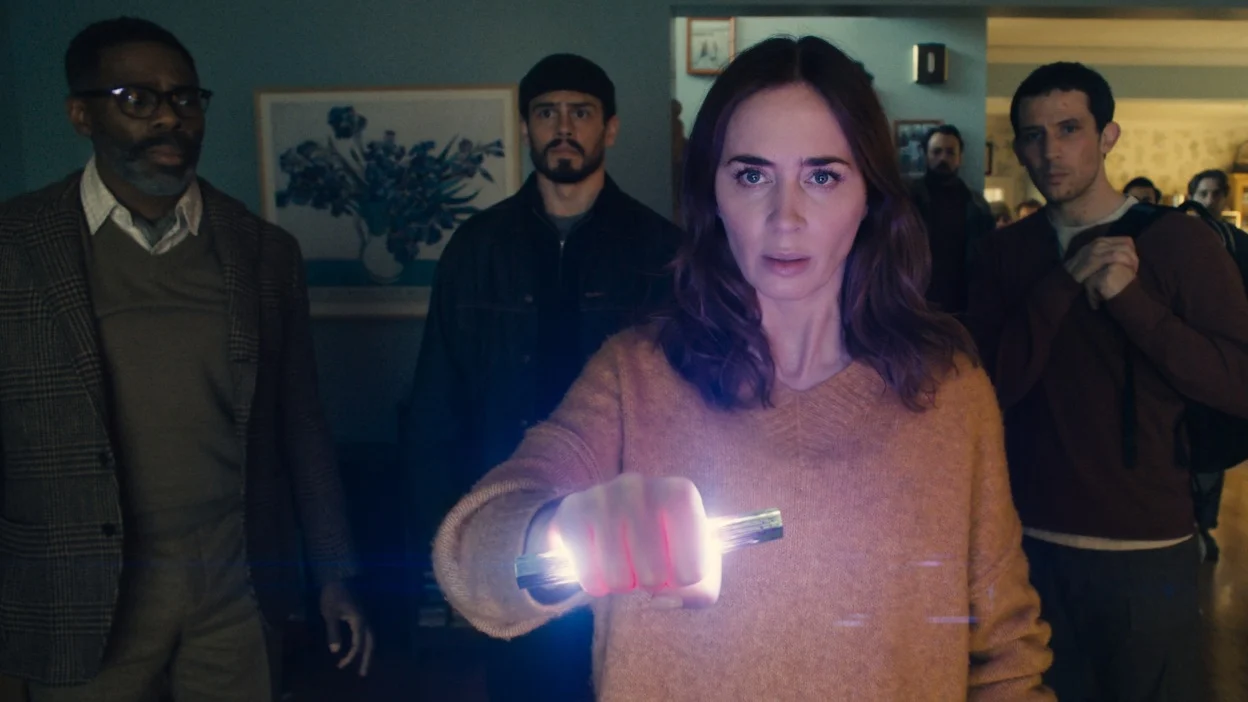
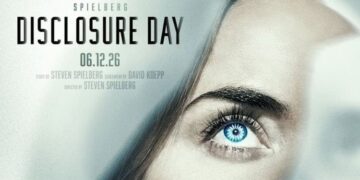
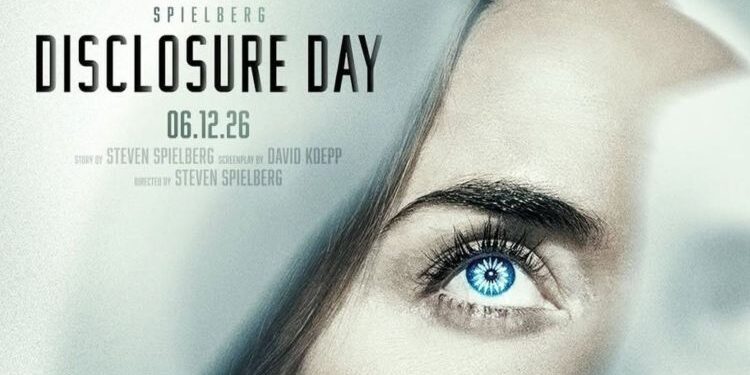
Disclosure Day is the 35th film from one of the greatest living filmmakers of our time: Steven Spielberg. Not only is it another film from Spielberg, but it also marks his return to a genre he has always been passionate about—science fiction. From the moment it was announced, it immediately became my most anticipated film of the year. Then the casting announcements arrived, making it even more exciting. The film boasts an incredible cast, including Emily Blunt, Josh O’Connor, Colman Domingo, and Colin Firth. Most exciting of all, John Williams returns to compose another unforgettable score. Everything about this project sounded exciting, especially because it was another Spielberg film.
It is no secret that Spielberg is my favorite director of all time. He is the sole reason I became interested in filmmaking. Honestly, his work saved my life. E.T. the Extra-Terrestrial is not only my favorite Spielberg film but also my favorite film of all time. Naturally, Disclosure Day—long before it even had a title—had me intrigued. The anticipation felt endless, but that long wait has finally come to an end.
Now, in 2026, Disclosure Day has finally arrived.
So, what did I think of it?
My thoughts are about to be disclosed.
Human
Disclosure Day takes a different approach to the science-fiction genre, especially for Spielberg. It feels like his most mature sci-fi film to date.
When you look back at films like Close Encounters of the Third Kind and E.T. the Extra-Terrestrial, both use science fiction to explore Spielberg’s childhood in deeply personal ways. They are stories shaped by divorce—Close Encountersreflecting his relationship with his father, while E.T. reflects his relationship with his mother.
With Disclosure Day, Spielberg feels like a filmmaker who has grown alongside his audience. Rather than revisiting childhood vulnerability, he turns his attention toward humanity’s search for truth. He’s no longer simply creating spectacle with heart; he’s creating something more reflective and deeply personal.
This time, the film doesn’t center on an alien invasion. Instead, it focuses on humanity—our beliefs, our need for truth, and our desire for connection. Disclosure Day follows a relentless pursuit of the truth and asks a simple but profound question:
How would humanity react if we discovered we are not alone?
“Don’t be afraid of what you don’t know.”
The Message
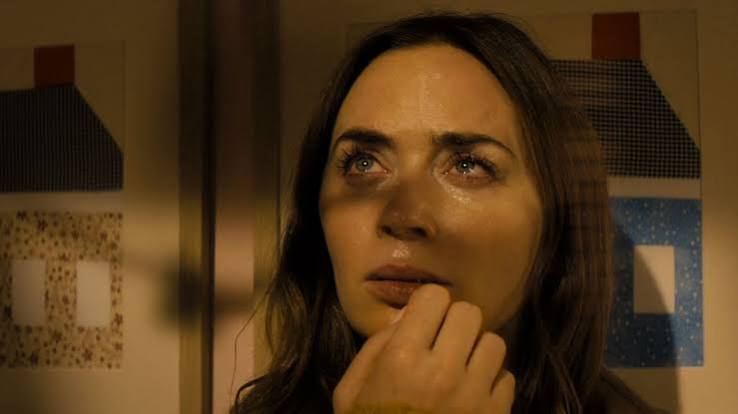
Truth and connection are the driving forces of the story. I haven’t stopped thinking about these themes because of how timely they feel. Truth is something we constantly search for, while connection is something we desperately need.
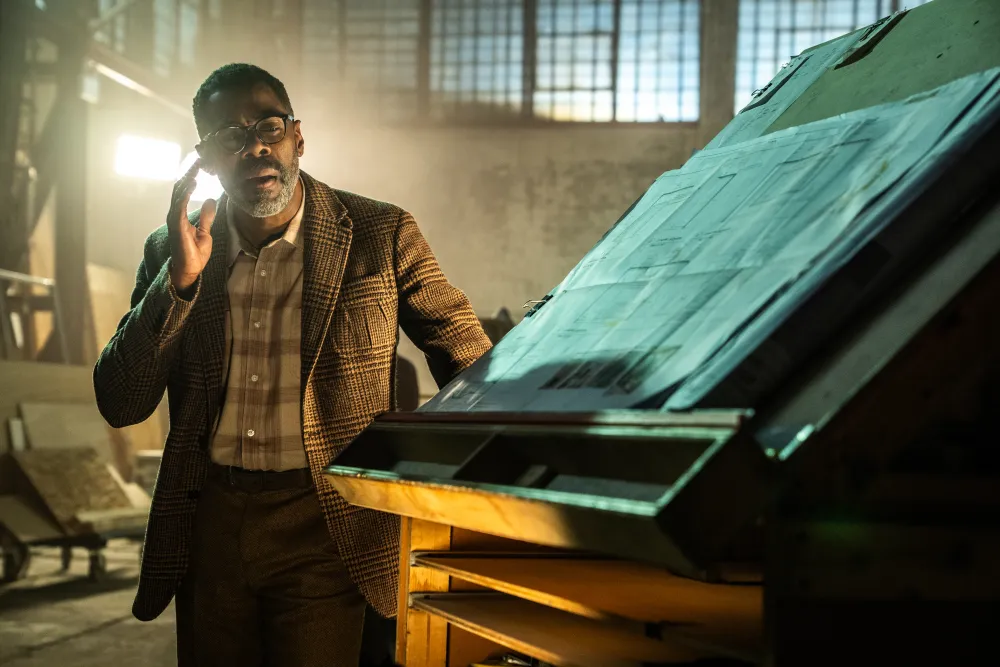
Throughout the film, the characters seek truth, connection, and a deeper understanding of themselves. The emotional core of the story lies in how they learn to empathize with one another. That is where Colman Domingo’s Hugo becomes such an important presence. He serves as a guide for Daniel and Margaret, helping them navigate the emotional and philosophical questions at the heart of the story. Understanding each character’s motivations and emotions becomes essential to understanding the film itself.
Disclosure Day is not the film many people will expect—and I think that’s a good thing. I can also understand why some audiences may be disappointed if they’re expecting a traditional alien blockbuster. What I admire most is that Spielberg is far more interested in humanity than extraterrestrials.
Yes, aliens are part of the story, but they are never the true focus.
Instead, Disclosure Day uses science fiction to explore belief, faith, and the pursuit of truth. Spielberg asks difficult questions that many of us continue to wrestle with today. Do we believe in God? Do we believe there is intelligent life elsewhere in the universe? Those questions remain endlessly fascinating because humanity is still searching for answers.
That’s what makes Disclosure Day such a compelling film. Long after it ended, I found myself thinking about what the characters believed, what they feared, and what they were willing to accept.
Above all else, this is a deeply human story.
Empathy
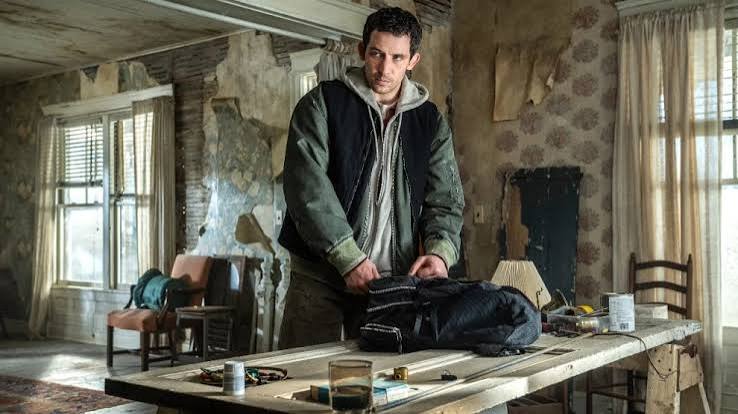
The performances are what hold Disclosure Day together.
Emily Blunt delivers one of the best performances of her career. She plays a woman who is afraid to fully embrace what she believes while searching for the connection she has been missing. Her performance is subtle, vulnerable, and emotionally grounded.
Josh O’Connor once again proves why he is one of the finest actors working today. As Daniel, he becomes the emotional anchor of the story, carrying much of the film’s weight with remarkable sincerity. Together, Margaret and Daniel become the heart and soul of Disclosure Day, and their journey reminds us that empathy is what truly makes us human.
Colman Domingo’s Hugo serves as the film’s guide. Rather than simply providing answers, he helps both the characters and the audience navigate the difficult truths at the center of the story. His belief that humanity is capable of accepting the truth becomes one of the film’s most compelling ideas.
One particular monologue from Hugo stood out to me. Without revealing too much, it perfectly captures what Disclosure Day is ultimately trying to say. More than ever, we need truth, but we also need empathy. Domingo delivers the scene with remarkable grace, making it one of the film’s emotional highlights.
I immediately connected with these characters because each of them carries something deeply human beneath the surface. Their fears, hopes, and beliefs never feel manufactured. They feel real.
One of the film’s biggest surprises is Courtney Grace. Despite having limited screen time, she delivers a heartbreaking and deeply human performance that leaves a lasting impression. Her role becomes especially important during the third act, acting almost as a reflection of the audience witnessing the film’s climax. It is a small performance with enormous emotional impact, and the final act would not be nearly as effective without her. She is a true standout.
Faith and Belief
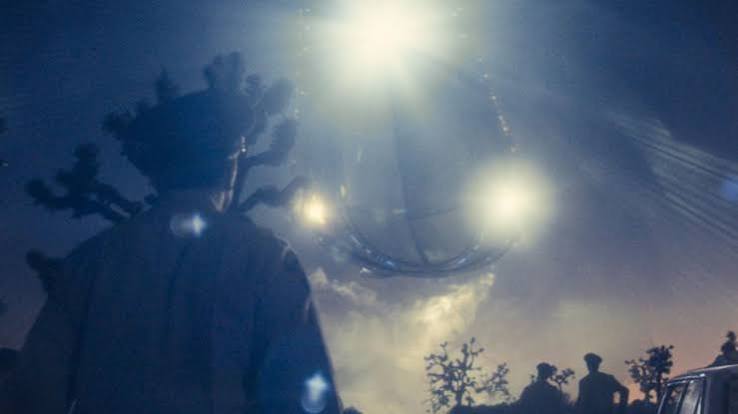
One of the reasons Disclosure Day resonated with me so deeply is because it made me reflect on my own beliefs.
Throughout my life, I have had a complicated relationship with faith and God. There are times when I don’t even know what I believe. However, I have always believed that we are not alone in this universe. Whether someone agrees with that or not, I think most people can appreciate the curiosity inspired by the vastness of space.
There is a conversation involving Jane that quietly became one of my favorite scenes in the film. It explores faith, belief, and the search for meaning without offering easy answers. For me, it became one of the most compelling moments because it asks questions that many of us wrestle with throughout our lives.
Disclosure Day doesn’t tell audiences what to believe.
Instead, it asks why we believe.
That distinction is what stayed with me long after the credits rolled.
Spielberg’s Direction
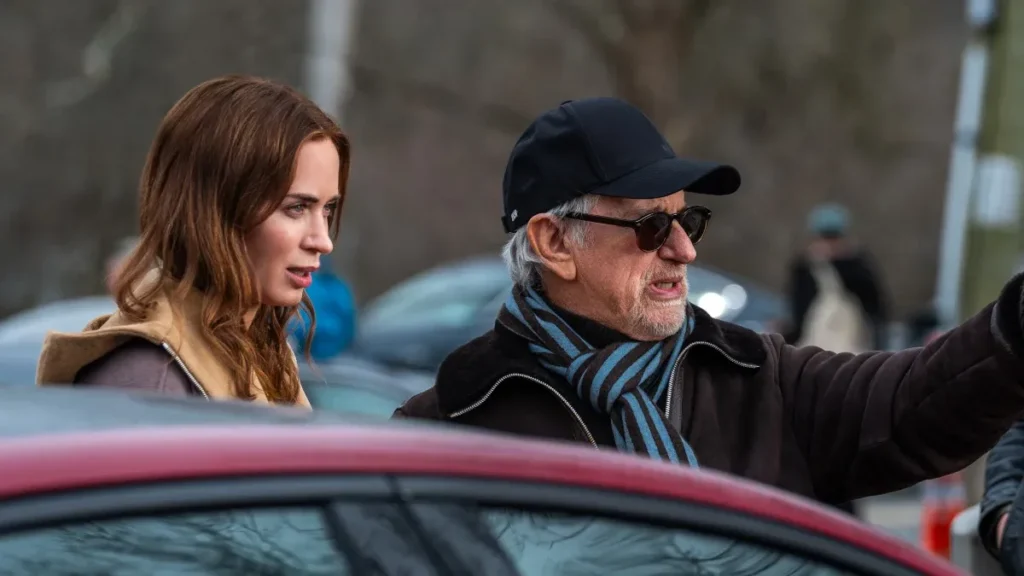
Visually, Disclosure Day is unmistakably Steven Spielberg.
His longtime collaborator, cinematographer Janusz Kamiński, once again delivers breathtaking imagery that balances intimate character moments with awe-inspiring spectacle. Every frame feels carefully composed, reminding audiences why Spielberg remains one of the greatest visual storytellers in cinema.
There is little left to say about Spielberg’s ability as a director that hasn’t already been said. His craftsmanship remains extraordinary, and his passion for filmmaking is evident in every scene. Even after decades behind the camera, his sense of wonder has never disappeared.
What impressed me most is how personal Disclosure Day feels.
Rather than relying solely on spectacle, Spielberg uses science fiction as a way to explore humanity. His fascination with the unknown is still present, but it now feels filtered through a lifetime of experience. The result is a film that feels less interested in answering life’s biggest questions than encouraging us to continue asking them.
That has always been one of Spielberg’s greatest strengths.
When you watch one of his films, you know you are in the hands of a filmmaker who understands not only cinema but people.
Of course, no Spielberg film would be complete without John Williams.
At 94 years old, Williams continues to create music that elevates every frame. His score is beautiful, emotional, and another reminder of why the Spielberg-Williams collaboration remains one of the greatest creative partnerships in film history.
Minor Criticisms
I did have a couple of issues with Disclosure Day, although they became less significant after multiple viewings.
My biggest criticism during my first viewing was the pacing. The middle section occasionally slows the film’s momentum, but once the story reaches its destination, those quieter moments become more rewarding in retrospect. This is very much a film that benefits from repeat viewings.
My other criticism involves Jane, played by Eve Hewson.
I found her to be a fascinating character, particularly because of her complicated relationship with faith. I simply wanted more of her. The material she is given is compelling, but I couldn’t help wishing Spielberg had explored her perspective further. Thankfully, what we do get from her leaves a lasting impression.
“There will be no other day like tomorrow.”
Final Thoughts
Disclosure Day will undoubtedly be a divisive film, and I find that fascinating.
This isn’t a traditional Spielberg science-fiction film in the vein of War of the Worlds, E.T. the Extra-Terrestrial, or even Close Encounters of the Third Kind. Instead, it uses science fiction as a lens through which to explore humanity—our beliefs, our fears, and our desire to understand what lies beyond our world.
Despite its more philosophical approach, the film still possesses the sense of wonder and heart that have defined Spielberg’s career. What ultimately makes Disclosure Day so compelling is its emphasis on empathy. It isn’t simply asking whether we are alone in the universe; it’s asking how we treat one another while searching for those answers.
That is where the film truly succeeds.
At my first viewing, I felt overwhelmed by everything it was trying to say. Whether that was because I was emotionally invested or because there was so much to process, I’m still not entirely sure. Perhaps it was both.
The more I reflected on the film, the more it stayed with me.
Its exploration of faith, truth, and human connection continued to occupy my thoughts long after I left the theater. Those conversations became just as rewarding as the film itself.
Disclosure Day is not a film that reveals all of its strengths in a single viewing. It asks for patience, presenting its ideas gradually before bringing them together in a deeply rewarding third act. It also feels like the kind of movie that sparks meaningful conversations.
After my third viewing, I sat with a friend discussing the film long after the credits had rolled. We talked about its themes, its questions, and what we believed it was trying to say. To me, that’s one of cinema’s greatest achievements. Even when people disagree about a film, the conversations it inspires can be just as valuable as the experience itself.
The more I think about Disclosure Day, the more I admire it.
I wouldn’t be surprised if this is one of those films that grows in reputation over time. Some audiences may not connect with it immediately, especially if they’re expecting a more conventional science-fiction adventure. However, I believe repeat viewings will reveal just how thoughtful and emotionally rich Spielberg’s latest work truly is.
Years from now, I could easily see DisclosureDay being regarded as one of Spielberg’s most underappreciated films—perhaps even a masterpiece.
More than anything, I’m grateful that filmmakers like Steven Spielberg continue to make ambitious, deeply personal films on this scale.
Disclosure Day isn’t just a film to watch.
It’s a film to think about.
It’s a film to discuss.
And above all, it’s a film that reminds us why empathy, truth, and human connection matter.
As the credits rolled, I realized something I hadn’t expected when I first sat down to watch it.
Spielberg wasn’t asking us to look up at the stars.
He was asking us to look at each other.
And perhaps that’s the greatest discovery Disclosure Day has to offer.
“Listen…”